Understanding IPTV Service: A Comprehensive Overview
In today's digital age, the demand for seamless and flexible viewing options has led to the rise of IPTV (Internet Protocol Television) services. Unlike traditional cable, IPTV delivers television content over the internet, offering viewers a plethora of channels and on-demand content that can be accessed anytime, anywhere. As we delve into the world of IPTV in 2026, we'll explore its workings, benefits, and how it stands apart from conventional broadcasting methods. When exploring options, Iptv Service providers have emerged as key players in the entertainment landscape, making it essential to understand the ins and outs of this technology.
What is IPTV and How Does it Work?
IPTV, or Internet Protocol Television, is a method of transmitting television content over the internet using the Internet Protocol (IP). Unlike traditional cable or satellite services that rely on radio waves or satellite signals, IPTV pulls content from the internet, allowing users to stream programming directly to their devices. The system comprises several key components:
- Content Delivery Networks (CDNs): These are networks of servers distributed globally to deliver content efficiently, ensuring reduced buffering and enhanced viewing quality.
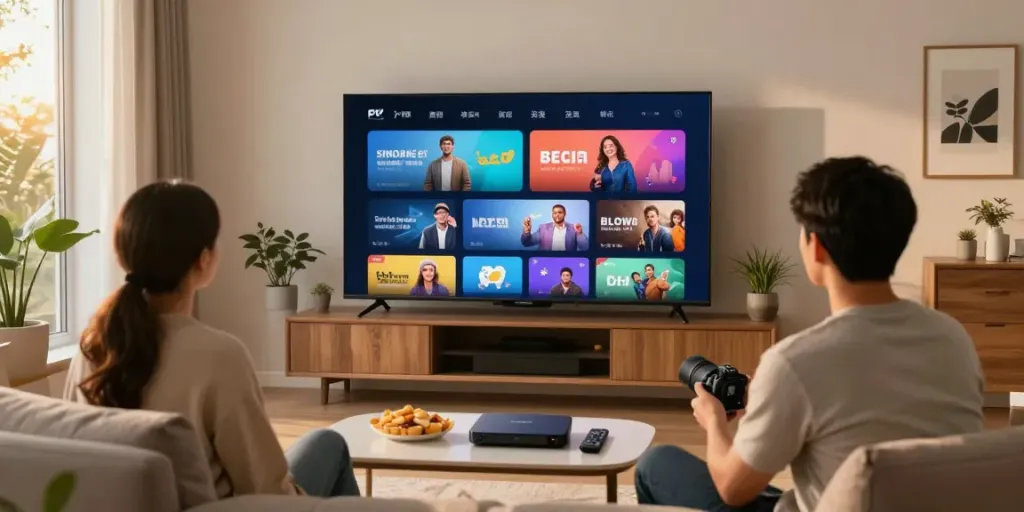
- Set-top Boxes (STBs): These devices decode the streamed content, allowing it to be viewed on televisions. Many smart TVs come with integrated IPTV capabilities.
- User Interfaces: Modern IPTV services provide intuitive user interfaces that allow users to easily navigate through channels, on-demand content, and more.
Key Benefits of IPTV Services for Consumers
IPTV services have gained popularity for several compelling reasons:
- Flexibility: Users can watch their favorite shows on various devices, from televisions to smartphones and tablets, thus increasing accessibility.
- Cost-effective: IPTV often provides a broader range of channels at lower prices compared to traditional cable subscriptions.